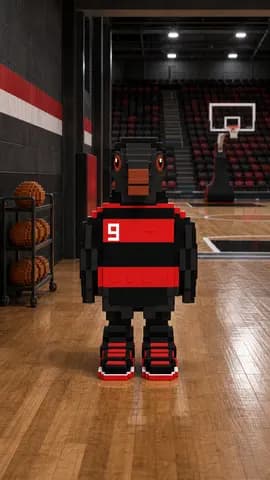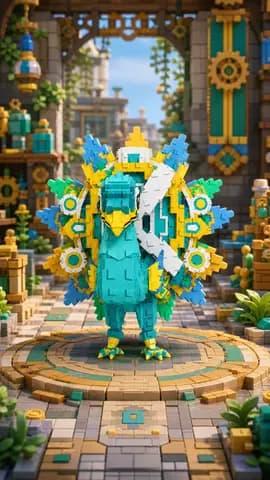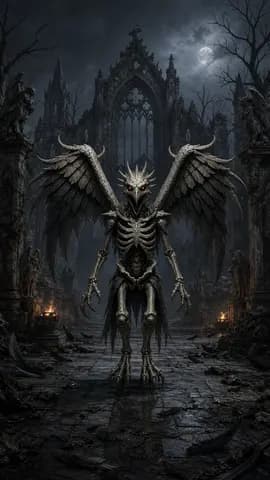
Tung Tung Tung Tung Tung Tung Tung Tung Tung Sahur is a viral AI-generated meme character associated with the 2025 brainrot wave, but unlike many so-called Italian brainrot figures, its core reference point is Indonesian Ramadan culture. Secondary sources including Know Your Meme and Dexerto report that the earliest known post was uploaded to TikTok by @noxaasht on February 28, 2025.
In that debut, the character appears as a strange wooden humanoid, often described as a tree-stump-like figure or an anthropomorphic kentongan, holding a wooden stick that different write-ups call either a drumstick, club, or baseball bat. The long nine-'Tung' form of the name exists in some retellings, but many people shorten it online to Tung Tung Tung Sahur or simply Triple T, so the exact official full spelling is not especially stable in the way it would be for a conventional fictional franchise.
The name matters because sahur is the pre-dawn meal eaten before a day of fasting in Ramadan. In Indonesia, waking people for sahur has long involved neighborhood calls, chanting, and percussion.
Sources on suhur traditions and Indonesian local practice describe kentongan, bedug, and even improvised containers being used to wake households before dawn. That is why 'tung tung tung' is usually explained as onomatopoeia: it imitates the repeated striking sound of instruments used for the wake-up call.
Some meme summaries specifically say bedug, while others emphasize kentongan. Because those descriptions differ across sources, it is safest to say the meme draws from the broader Indonesian sahur wake-up tradition rather than one perfectly fixed instrument identity.
Its first-wave lore is simple and memorable. The voice-over attached to the early viral post describes Tung Tung Tung Sahur as a frightening anomaly that comes out at sahur time.
The joke-horror rule is that if someone is called for sahur three times and does not answer, this creature comes to their house. That setup gives the meme its distinctive tone: half folk warning, half absurd internet monster.
The design supports that mood. It is recognizable as a wooden object brought to life, with a stiff cylindrical body, uncanny facial features in many fan renditions, and a blunt wooden weapon that looks equally plausible as a traditional beater or a bat.
The character spread rapidly during Ramadan 2025. Know Your Meme documents follow-up TikToks in March 2025, including clips of the creature moving, speaking, being drawn by artists, and being inserted into broader brainrot crossover lore.
It was frequently compared or 'powerscaled' against other surreal characters such as Brr Brr Patapim, which helped move it from a local joke into the wider international brainrot ecosystem. At the same time, its Ramadan framing gave it a seasonal arc that many memes do not have: as Ramadan ended in late March 2025, Indonesian users began posting farewell jokes about Tung Tung Tung Sahur returning home or completing its mission of scaring people into waking up for sahur.
What makes the character noteworthy is that it is not pure nonsense, even though it looks and behaves like nonsense. It sits on top of a real social practice: communities waking one another before dawn during Ramadan with noise, rhythm, and neighborhood participation.
That grounding is probably why the meme travels so well. People unfamiliar with Indonesian culture can still read it as a creepy-comic monster, while people who know the tradition can recognize the distorted echo of a real soundscape.
At the same time, a lot about the character remains unstable or fan-defined. There is no universally accepted canon for its exact shape, power level, or full naming convention, and most available documentation comes from meme databases, media explainers, and repost culture rather than a formal source bible.
Sources consulted: https://knowyourmeme.com/memes/tung-tung-tung-sahur , https://www.dexerto.com/tiktok/tiktoks-viral-tung-tung-tung-sahur-meme-explained-3172955/ , https://www.playbrainrot.org/en/character/tung-tung-tung-sahur/ , https://en.wikipedia.org/wiki/Suhur , https://www.thejakartapost.com/news/2017/06/13/tradition-wake-neighbors-sahur-decline.html , https://www.auralarchipelago.com/auralarchipelago/musikpatrol